orbitaldrop.store
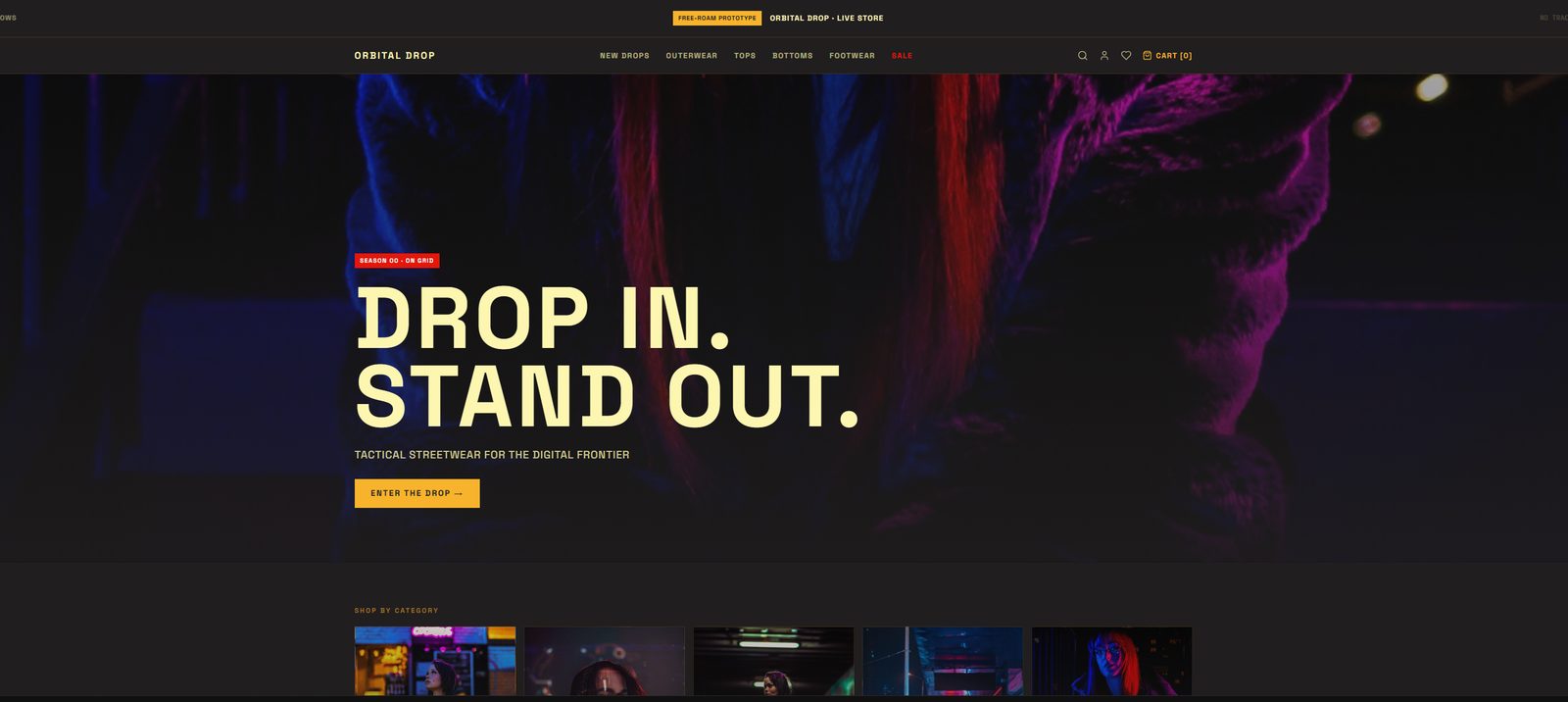
An e-commerce platform for a real brand the designer owns — dystopian satire on the surface, transit-grade wayfinding underneath. The capstone brief said business website. The business already existed.
Real stakes
The prompt offered a business website. The response was a real one: Orbital Drop, an operating creative brand with an e-commerce arm to design from the ground up. No fictional client, no invented constraints — the tradeoff is that every decision carries consequences past the grade. The mentor encouraged proceeding. The capstone doubled as a company asset from day one.
The brand preceded the assignment
The dystopian pseudo-corporate thesis was not generated for the course. It predates it — an expression of conflicted feelings about the direction of the world, assembled from games, comics, and media into hyper-precise corporate satire: astronomical logistics complexity terminating in a t-shirt. AI sessions developed the concept; they did not originate it.
One structural ruling made it functional: Japanese transit design language as the bridge between satirical aesthetics and usable interface. Wayfinding systems display maximum information under maximum stress. A store can borrow that discipline.
The worksheet refusal
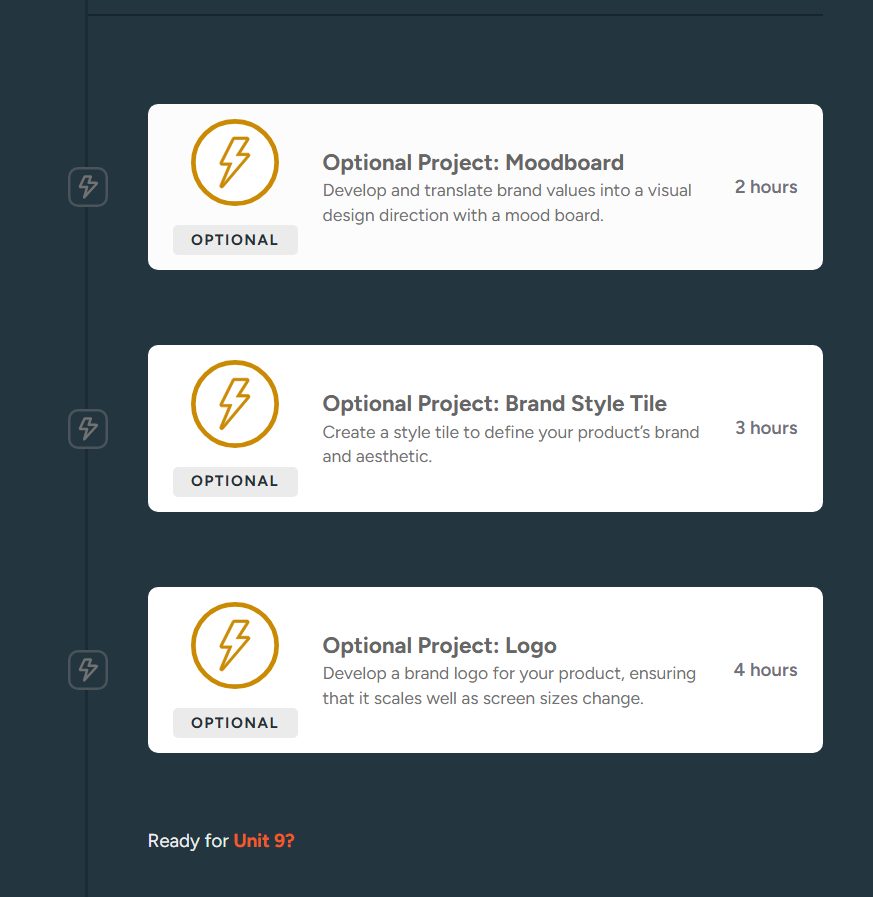
The curriculum offered optional Moodboard, Style Tile, and Logo units. All three were skipped — not for absence of brand work, but because the brand work already existed in a different shape and the schedule was critical. The contrast is the point: nine hours of optional worksheets declined, while a full brand identity was developed in parallel through concept sessions. Brand development happened; the format was the designer's own.
Research that confirms, then guides
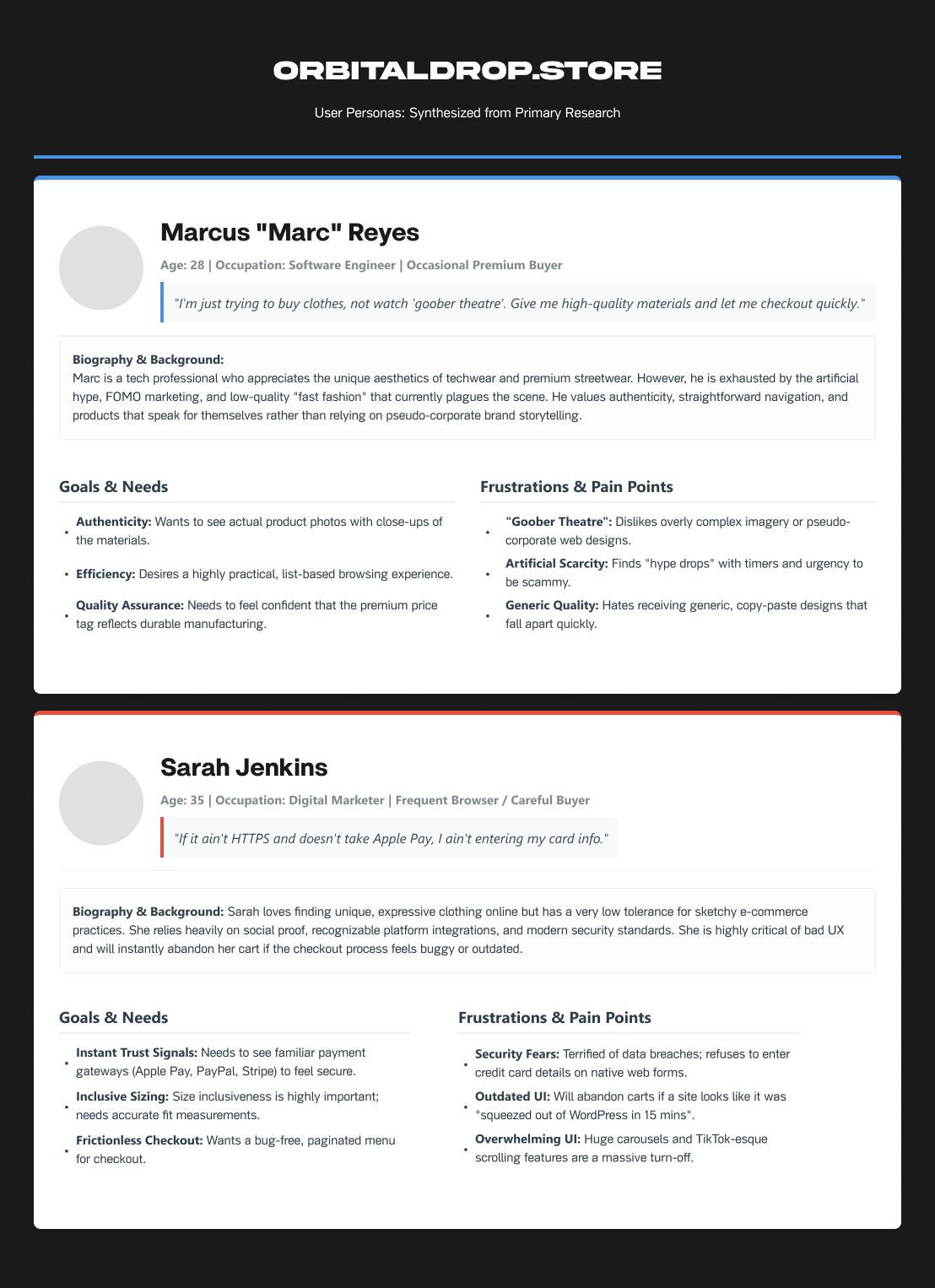
Research ran async by design — the survey format traded live follow-ups for participant respect and scheduling reliability, a tradeoff documented in the instrument itself and inherited from the previous capstone's field lessons. Findings (N=6) confirmed the working hypothesis: trust and checkout friction decide whether an unknown brand converts. Confirmation is not wasted research. The data set the patterns — express payment options, transparent shipping, review placement — that the structure phase then followed.
Holding scope against good advice
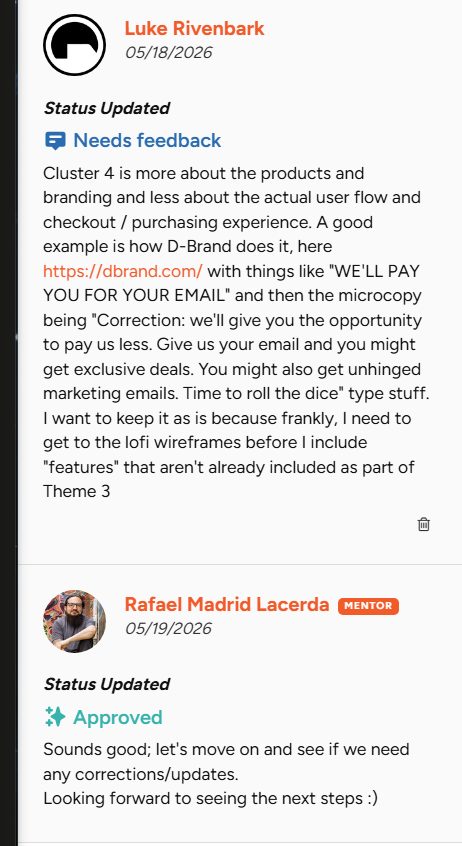
The feature set drew a challenge: the mentor identified an affinity cluster dense with experience pain points and suggested incorporating it. The response was a scope defense, on the record — that cluster concerns products and branding, not the flow and checkout mechanics under design; the brand-voice opportunity it represents belongs to a later theme, after wireframes exist. The mentor approved the held scope the next day. Sequencing survived contact with a good counter-argument.
Optionality carried through fidelity
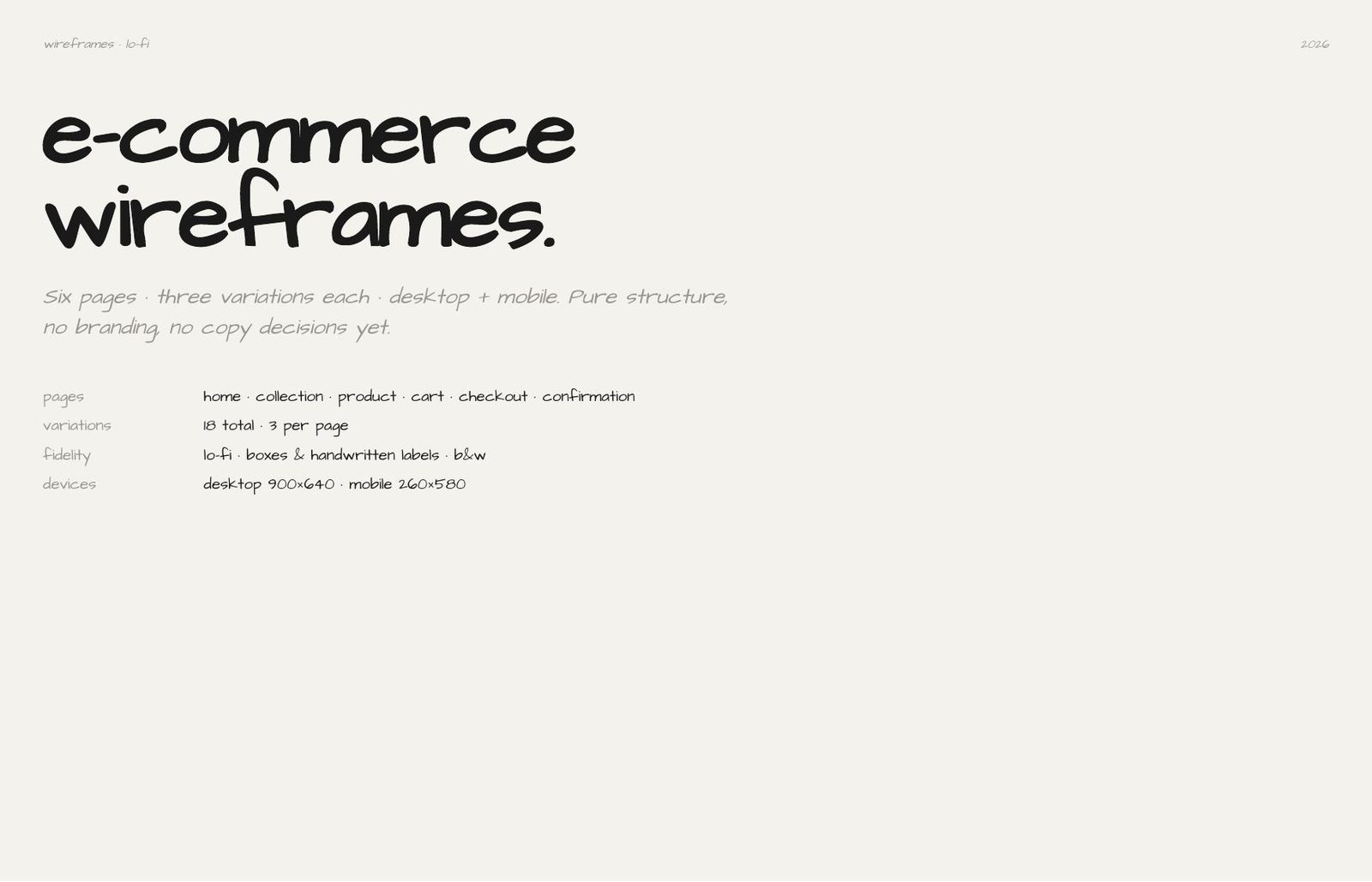
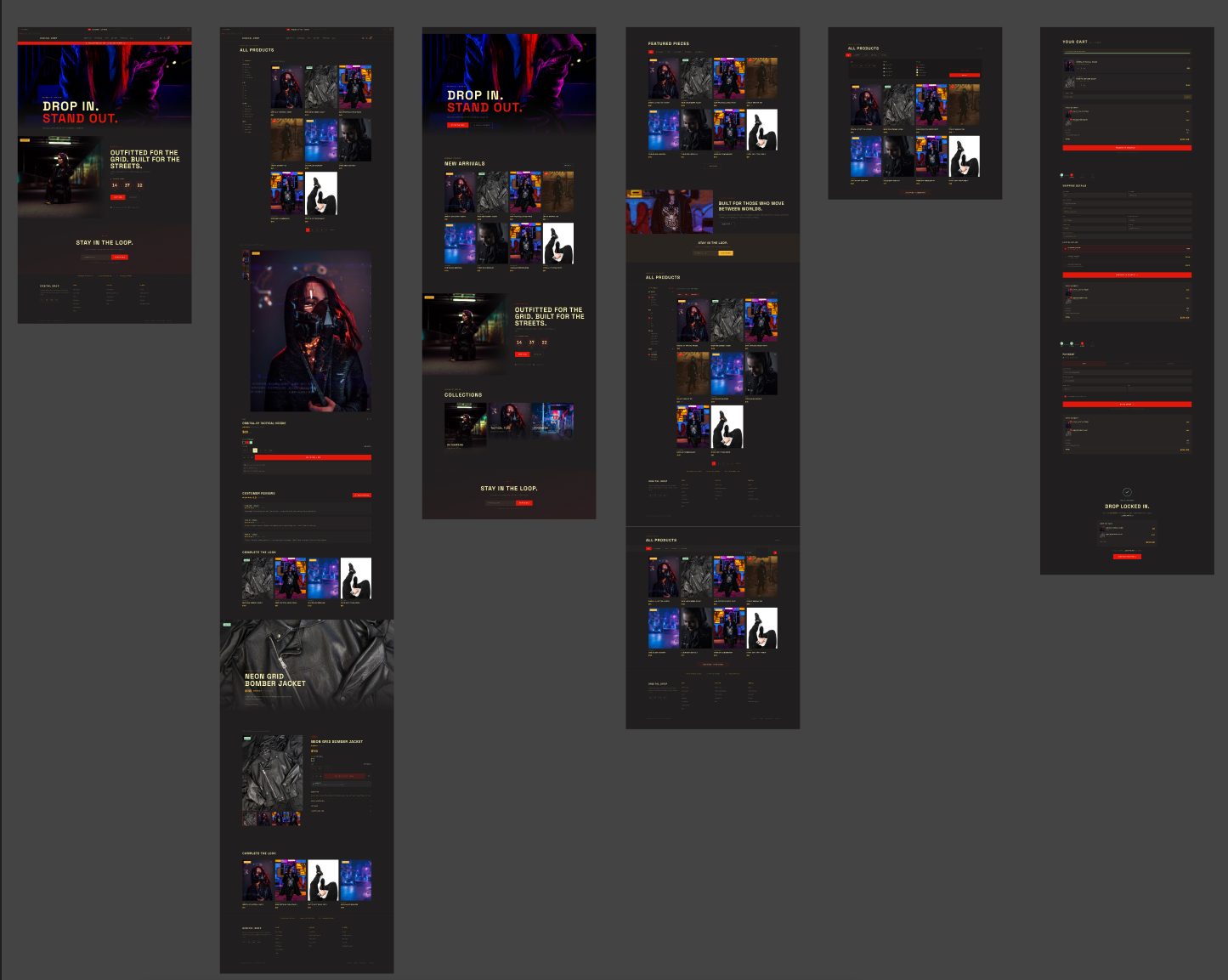
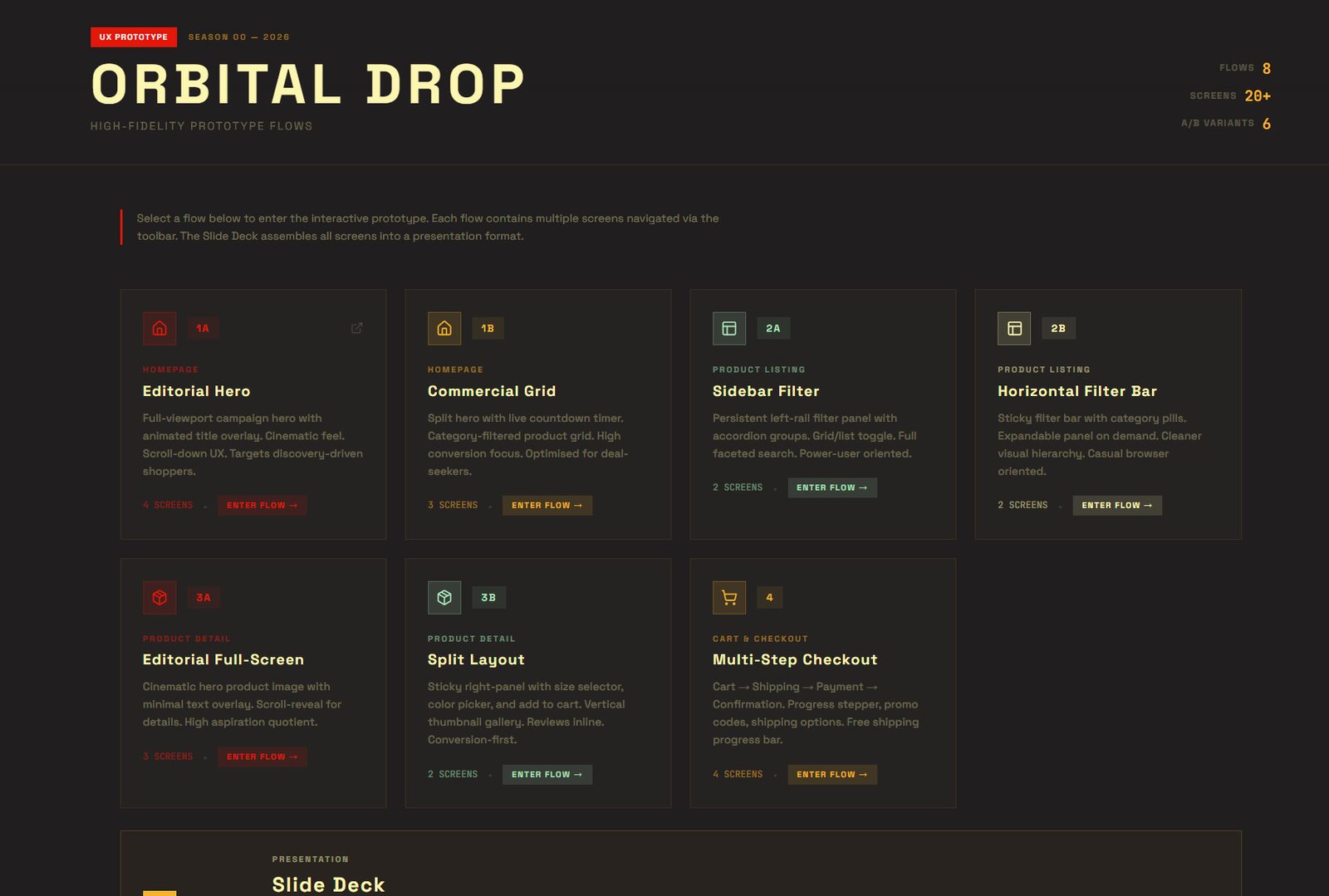
Convention picks layout winners at lo-fi and builds one arm. This project carried the fork deliberately: six pages with three variations each at lo-fi, compressed into six A/B variants at hi-fi — editorial hero against commercial grid, sidebar filter against horizontal bar, editorial full-screen against split-layout detail. The submission note states the intent: testing would choose, but the options deserved to exist at full fidelity first.
The prototype was code
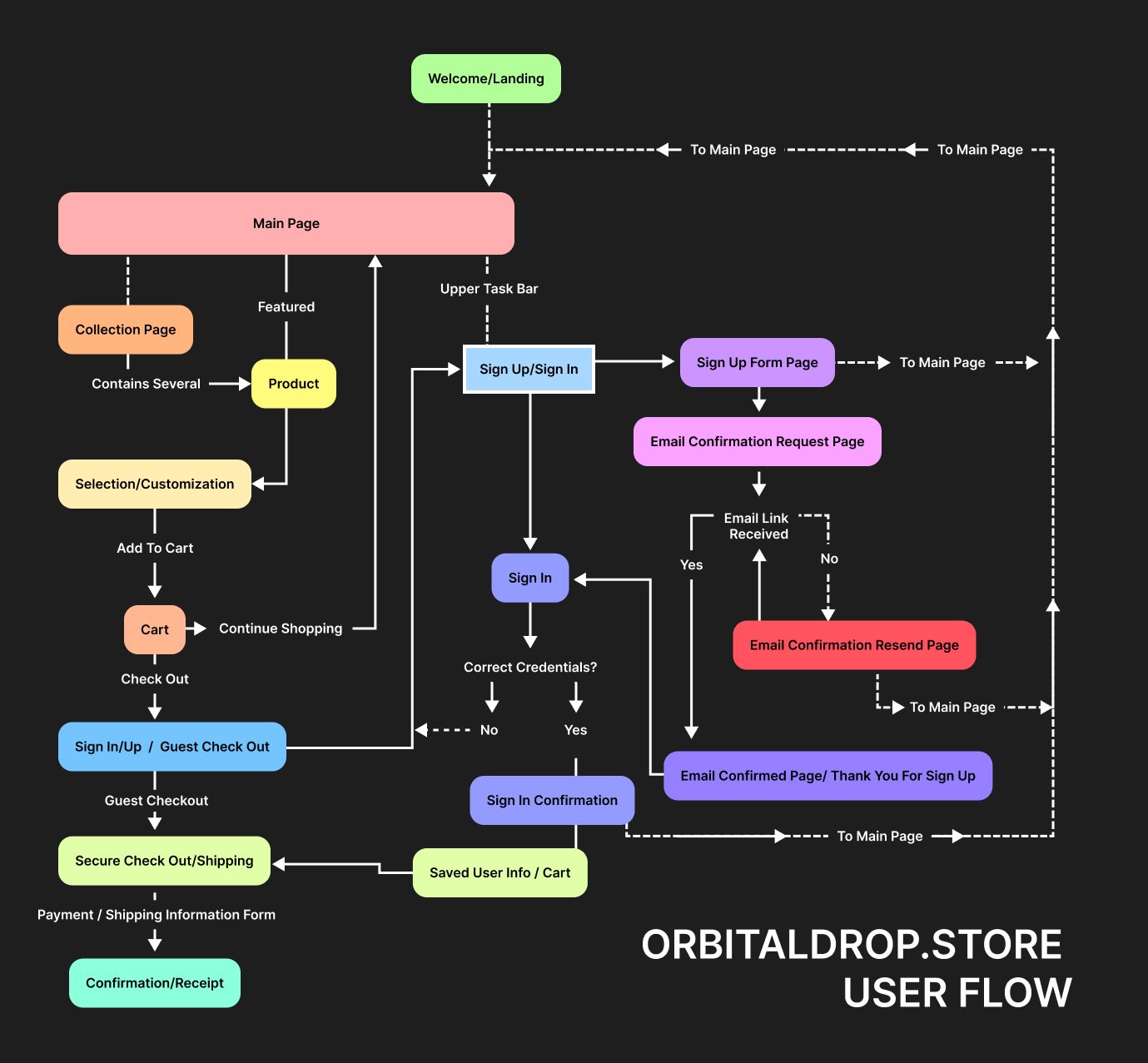
The hi-fi round produced a functional artifact through Figma Make — then weeks old as a product. The reasoning was economic: manually wiring a click-through of an already-functional build is assembling a kit, disassembling it, and assembling it again without instructions. The hosted code export was the prototype. The mentor's directive followed the same logic: connect the main flows into a functional MVP. The experiment found holes in the process — resolved in later projects — and the build's import folder still preserves the exact document set that produced it.
When the tool broke, the method changed
Maze was the designated measurement layer. Against a hosted build on the free tier, it failed three separate ways: task capture and heatmaps returned nothing usable, report export sat behind a paywall, and the one-project limit silently destroyed the previous capstone's test data on project creation. After multiple rebuild attempts, measurement moved into the instrument that worked — survey blocks running alongside the tasks.
The numbers
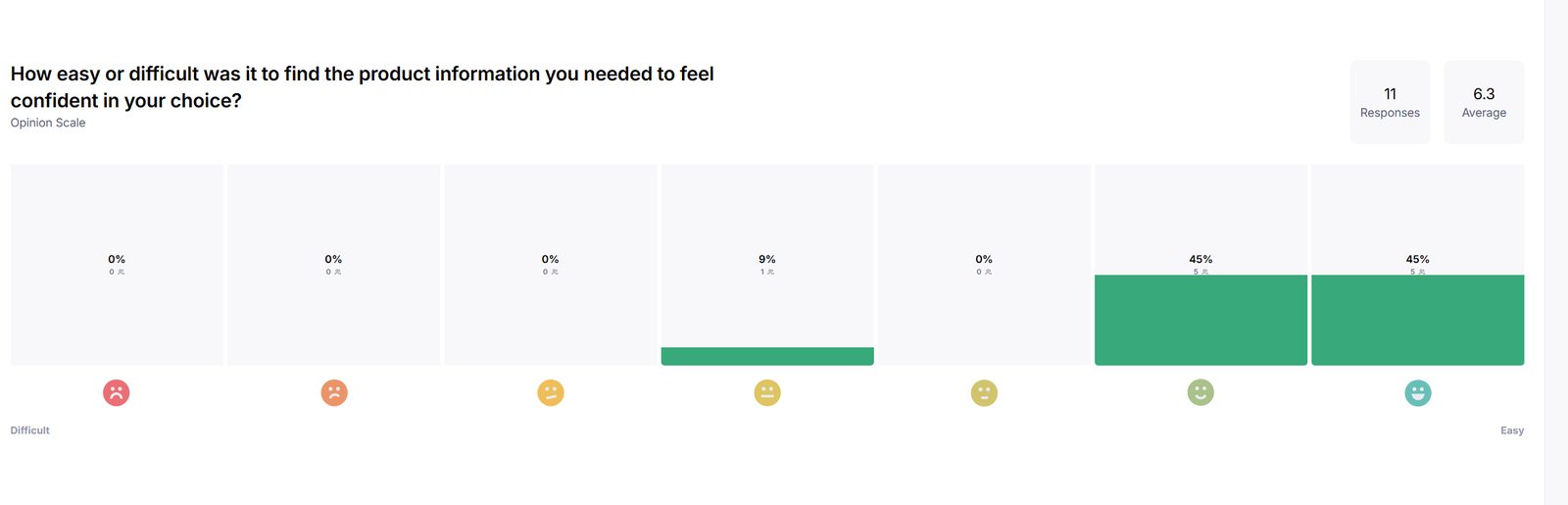
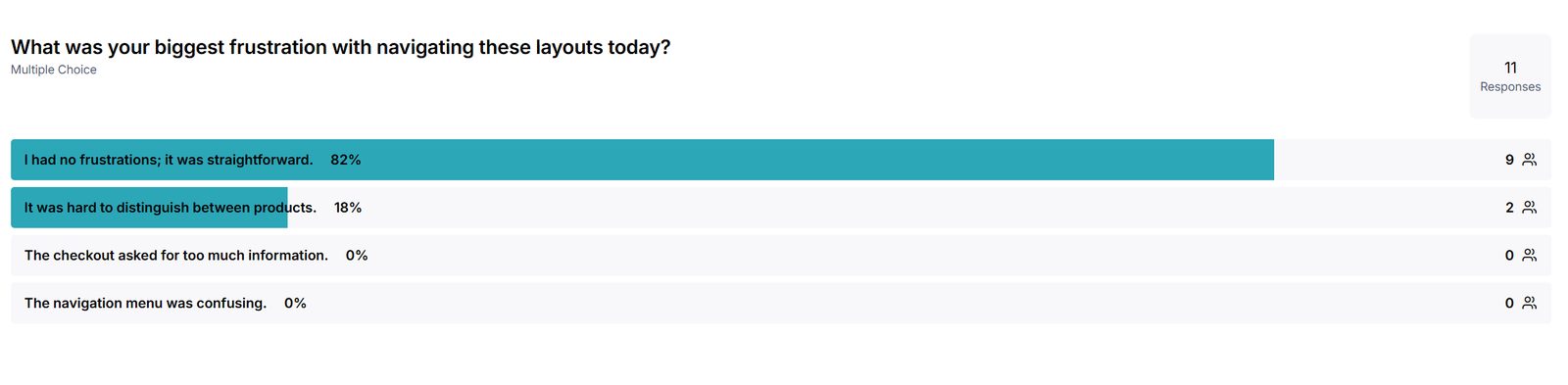
Eleven testers ran the flows. Product-information confidence averaged 6.3 of 7, with zero responses below midpoint. Eighty-two percent reported no navigation frustration. The single recorded friction — two testers found products hard to distinguish — lands precisely on the compromise the project knowingly shipped: generative placeholder photography, accepted under submit-first doctrine, independently flagged by the mentor with a real-photography specification. Stated as interpretation, not finding: the debt that was documented is the debt users noticed.
Judgment closes the loop
Test signal informed; taste decided. Variant winners were selected on a visual-calm criterion — layouts that do not make the eye jump — with the data as counsel rather than verdict. The iterations unit itself closed late, mid-way through the next capstone, because the real iteration review had happened live in mentor sessions across the project. The mentor's closing note assigned the aesthetic its genre.
Live
The store runs live at orbitaldrop.store.
What it seeded
The functional-MVP posture, the AI-augmented workflow made explicit and sanctioned on the record, and the owned-instrumentation conclusion all crossed directly into the next project — an end-to-end app for the same real brand, with a custom-built test harness where the rented one had been. The store surfaces themselves were later rebuilt under the brand's web design system; the capstone version is preserved here as shipped.